GUWAHATI, September 30: Arunachal Pradesh witnessed a significant literary milestone on International Translation Day as writer Wanggo Socia’s acclaimed Hindi novel Meera: Ek Safar entered Assamese literature through a translation by renowned writer and translator Dr. Barnali Das.
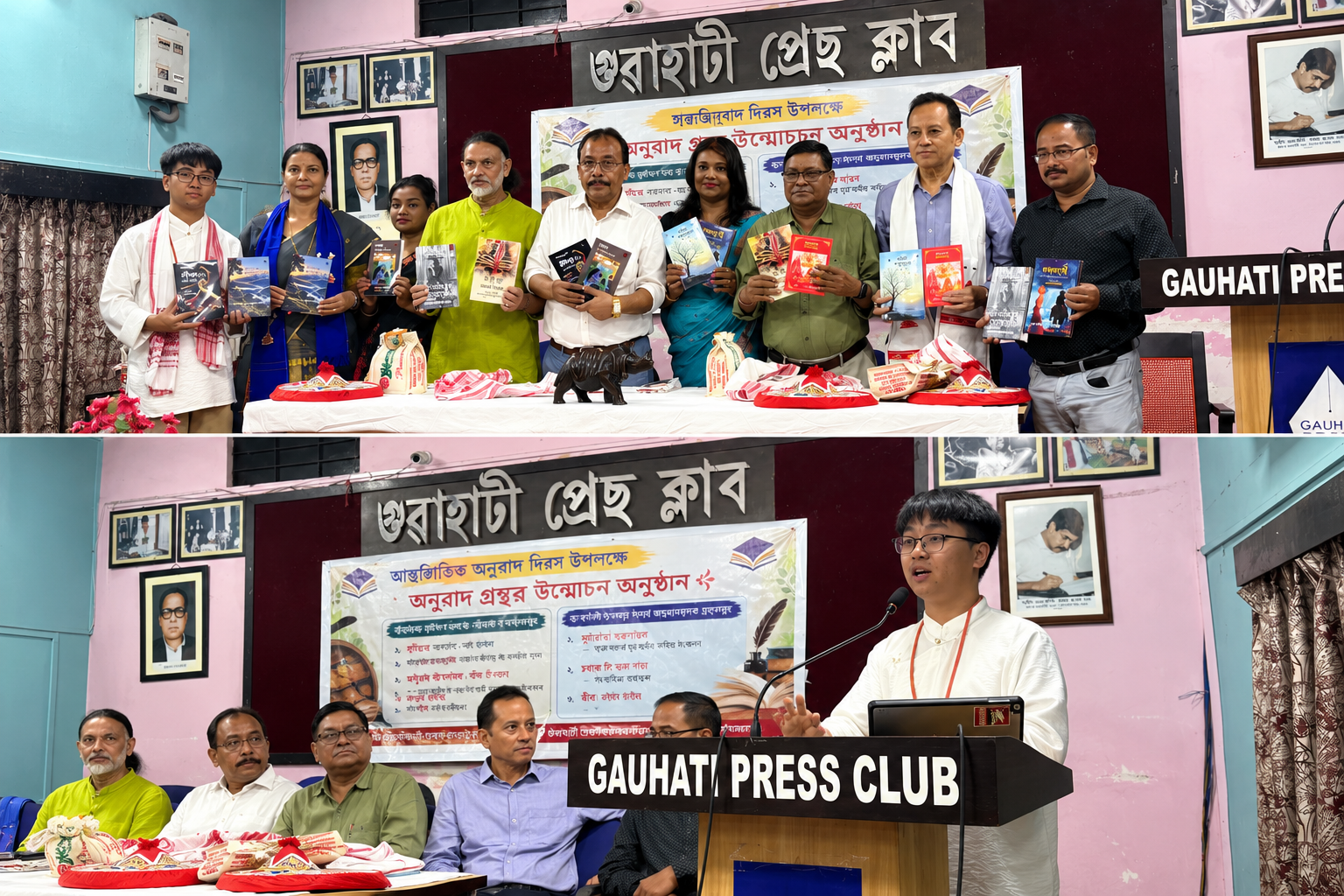
The Assamese edition of the novel was officially launched at the Guwahati Press Club on September 30, 2026, in the presence of eminent and award-winning writers and translators from Assam, Odisha and other states.
The translation marks an important development in the literary relationship between Arunachal Pradesh and Assam. Following the region’s long tradition of oral literature, Assamese played an important role in shaping Arunachal Pradesh’s early written literary identity through writers such as Late Lummer Dai and Yeshe Dorjee Thongchi. Their works later reached wider audiences through translations into Hindi, English and other languages.
With Meera: Ek Safar now translated from Hindi into Assamese, the literary exchange has taken another step forward, bringing the work of an Arunachal-based writer into the Assamese literary sphere and strengthening the cultural and literary ties between the two neighbouring states.
The first edition of Meera: Ek Safar reportedly sold out within a month of its release, and the novel has subsequently entered its second edition, reflecting its growing readership.
Wanggo Socia, a poet, writer and scholar from Tirap district of Arunachal Pradesh, teaches Hindi literature at Government Model Degree College, Kanubari, in Longding district. He writes in Nocte, Hindi and English and has been associated with the Sahitya Akademi, Arunachal Pradesh Literary Society and other organisations working to promote literature and literary activities.
Addressing the gathering, Wanggo Socia spoke about his journey as a writer and the experiences behind his novel’s reception among readers. He also highlighted how the work became part of wider literary conversations and discussions.
The programme concluded with Wanggo reciting a Nocte poem dedicated to the people of Arunachal Pradesh, adding a cultural dimension to the literary event and highlighting the region’s rich multilingual literary heritage.
.