GUWAHATI, Nov 29: Arunachal Pradesh Minister for Agriculture and Allied Departments Gabriel D. Wangsu on Sunday called upon research institutions and universities to transform the Northeast into a center of innovation for indigenous livestock development.
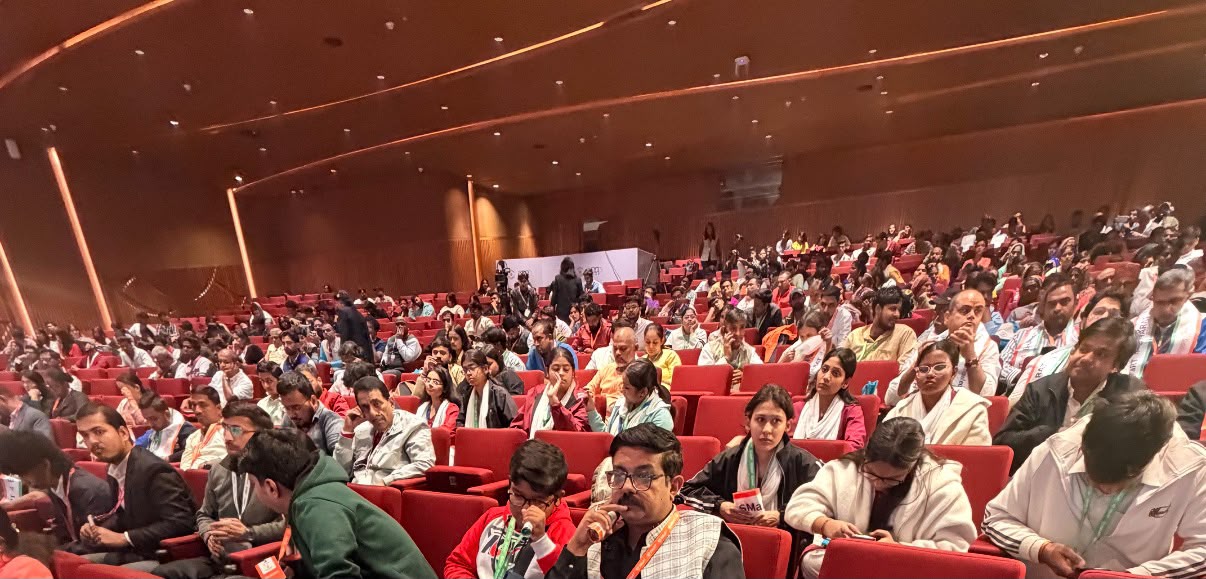
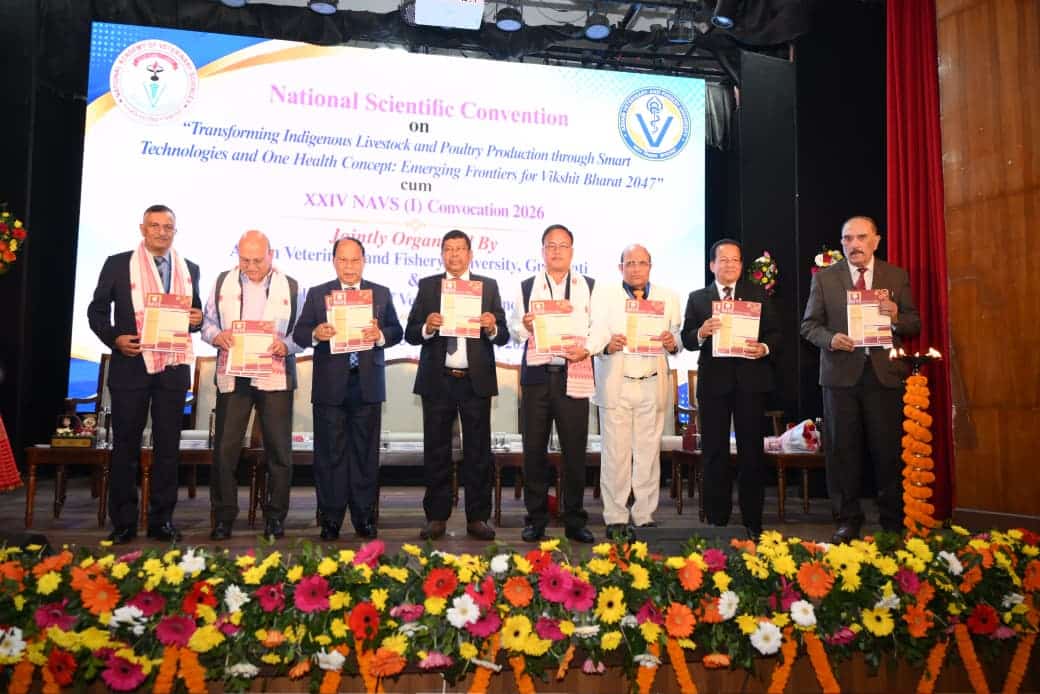
Inaugurating the two-day National Scientific Convention and the XXIV National Academy of Veterinary Sciences (India) Convocation, 2026, at Assam Veterinary and Fishery University (AVFU) in Khanapara, Guwahati, Wangsu stressed that the region's indigenous livestock resources must be developed as sustainable economic assets rather than preserved merely as heritage.
The convention, themed “Transforming Indigenous Livestock and Poultry Production through Smart Technologies and One Health Concept: Emerging Frontiers for Viksit Bharat 2047”, is jointly organized by AVFU and NAVS (India) and will conclude on November 30. It brings together leading veterinary scientists, academicians, and professionals to deliberate on technological advancements and policy approaches.
Addressing the gathering, Wangsu noted that the animal husbandry sector contributes significantly to India’s rural economy, accounting for approximately 30.87 percent of the Agricultural and Allied Gross Value Added (GVA) and 5.49 percent of the total GVA, amounting to nearly Rs 15.06 lakh crore in 2023-24. He emphasized that the sector supports millions of households, ensures nutritional security, and creates rural employment.
Highlighting the potential of Northeast's indigenous resources such as Mithun, yak, indigenous cattle, pigs, goats, sheep, and local poultry, Wangsu referred to the recommendations of the High-Level Task Force for the North Eastern Region—constituted under the convenorship of Arunachal Pradesh Chief Minister Pema Khandu. He underscored the need for a time-bound roadmap to achieve self-reliance in milk, meat, egg, and fish production through value-chain infrastructure and institutional convergence.
The Minister also stressed the growing role of artificial intelligence, genomics, biotechnology, and precision farming in veterinary science, noting that technology must complement rather than replace professional judgment and compassion. He encouraged young graduates to explore entrepreneurship in dairy, piggery, poultry, goatery, and fodder production, while advocating for climate-resilient livestock systems to combat heat stress, water scarcity, and emerging diseases.
Acknowledging the contribution of the College of Veterinary Science, Khanapara, to Arunachal Pradesh, Wangsu noted that its alumni have served the state since its Department of Animal Husbandry was established in 1972.
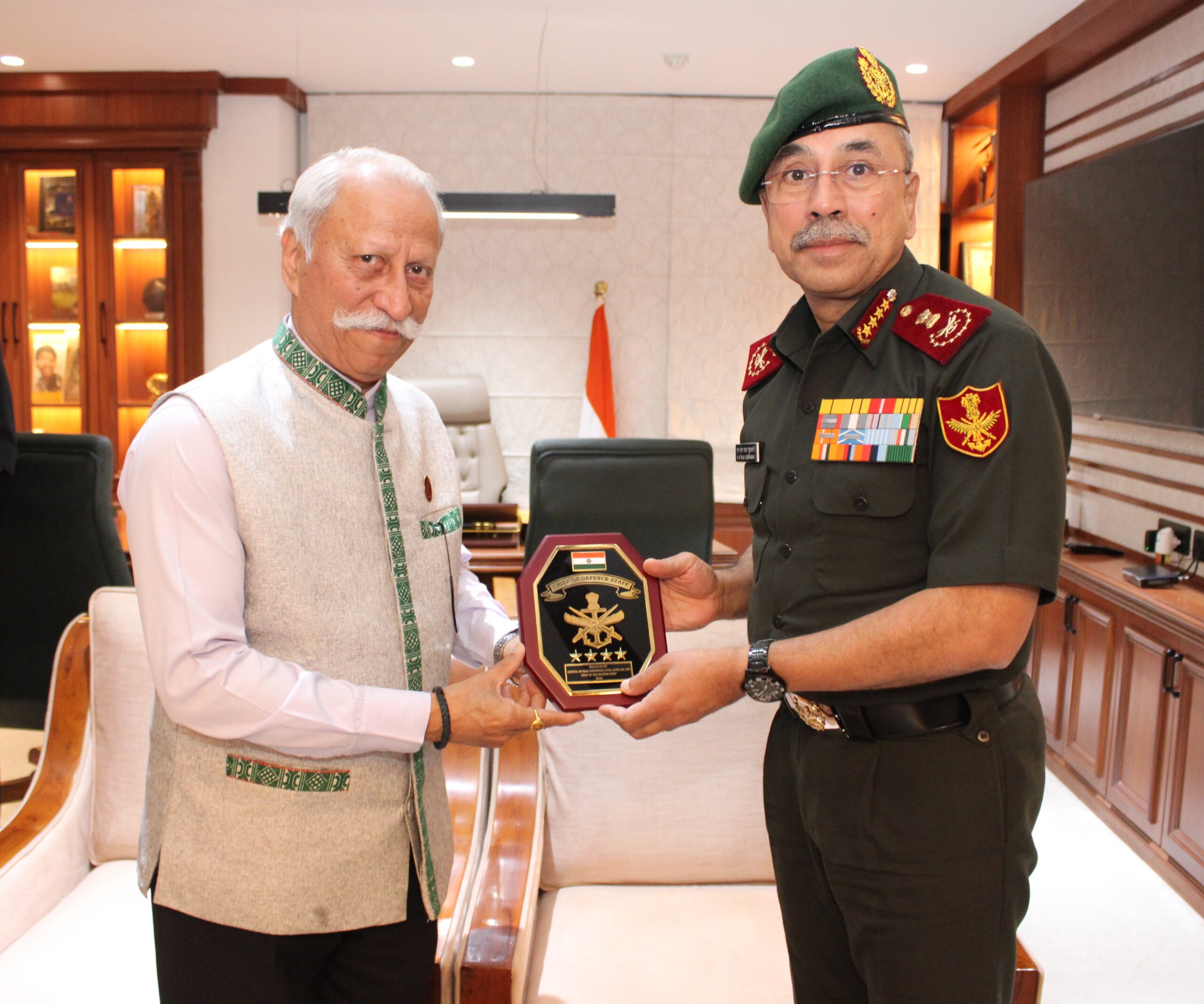
The inaugural session was attended by prominent figures including NAVS President Dr. D.V.R. Prakash Rao; former ICAR DDG Dr. K.M. Bujarbaruah; ICAR Deputy Director General (Animal Science) Dr. Raghavendra Bhatta; Animal Husbandry Commissioner Dr. B. Maheswarappa Naveena; AVFU Vice-Chancellor Prof. Niranjan Kalita; and Major General Dr. M.L. Sharma. D. Longri, Director of Animal Husbandry, Veterinary and Dairy Development, Government of Arunachal Pradesh, accompanied the Minister along with departmental officers.